
In 2026, the competition in the digital economy has already shifted from a battle for traffic to a battle for computing power.Computing power economyIt is no longer a concept that remains in policy documents, but has become the core engine that drives the upgrading of various industries and stimulates economic growth. From the layout of national-level computing power hubs to the lightweight application of computing power for small and medium-sized enterprises, computing power is reshaping the entire economic chain of production, distribution, exchange, and consumption.
Computing economy: From technological base to new pole of economic growth
Different from the early stage when only focusing on the supply of computing power, 2026 'sComputing power economyA complete closed loop of "computing power supply-computing power dispatching-computing power monetization" has been formed. The deepening of the national-level "Eastern Computing and Western Computing" project has enabled efficient cross-regional allocation of computing power resources. The proportion of green computing power has exceeded 40%, which not only solves the problem of tight computing power in the east, but also activates the digital economy in the west. potential.
The core value of the computing power economy lies in transforming computing power from "technical tools" to "production factors"-just like electricity in the industrial era, computing power has become the basic support for all digital services, and its supply capabilities and scheduling efficiency directly determine the industry's digital transformation speed and value creation capabilities.
Implementation of computing power economy: Value reconstruction of three core industry scenarios
1. Intelligent manufacturing: A flexible production revolution driven by computing power
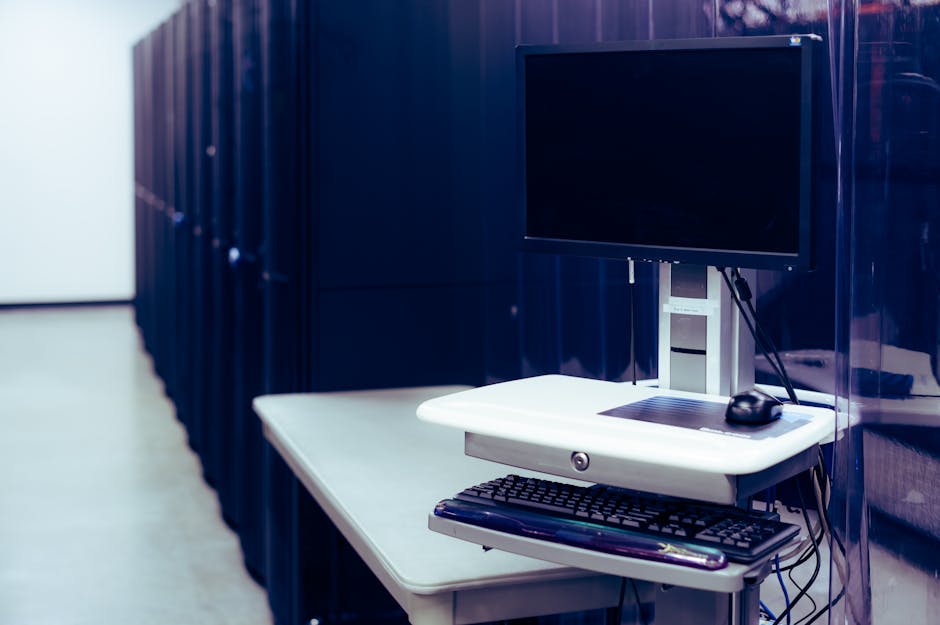
In the smart manufacturing workshop in 2026, the value of the computing power economy has been extremely reflected. Through the collaboration of edge computing power and cloud computing power, factories can collect millions of levels of data from production lines in real time, use AI algorithms to optimize production parameters, and achieve flexible production of small batches and multiple varieties. Relying on a computing power scheduling platform, an auto parts company has increased its production efficiency by 35%, reduced its defective rate by 28%, directly bringing an increase in annual revenue of more than 200 million yuan.
2. Inclusive Finance: Risk prevention and control and personalized services empowered by computing power
The computing economy is breaking the service boundaries of traditional finance. By connecting to the public computing power pool, small and medium-sized banks can realize real-time analysis of massive user data without having to build an expensive computing power center: from users 'consumption behaviors to credit records, computing power can complete risk assessments in milliseconds, providing small and micro enterprises provide precise credit without mortgage, expanding the coverage of inclusive finance by more than 40%.
3. Smart medical care: Speed up precise diagnosis and treatment supported by computing power
In the medical field, computing economy has become the core driver of precise diagnosis and treatment.
In 2026, AI-assisted imaging diagnosis systems have been popularized in grassroots hospitals, relying on cloud computing power to intelligently analyze CT and MRI images. The diagnosis accuracy rate reaches more than 95%, which is equivalent to the level of chief physicians in top-A hospitals, allowing patients in remote areas to also Enjoy high-quality diagnosis and treatment services.
Practical suggestions for laying out the computing economy in 2026
- Focus on scenario implementation rather than blindly building up computing power hardware: Enterprises should choose edge computing power, cloud computing power or hybrid computing power solutions based on their own industry needs to avoid ineffective investment;
- Build a cross-domain collaboration ecosystem: The value realization of the computing power economy requires the collaboration of computing power service providers, industry parties, and technology parties. Enterprises can reduce transformation costs by joining the Industrial Computing Power Alliance;
- Pay attention to green computing power and security management and control: While laying out computing power, give priority to green and energy-saving computing power facilities, and simultaneously build a computing power data security protection system to avoid compliance risks.
Standing at the juncture of 2026, the computing economy has become an irreversible development trend of the digital economy. Whether it is the digital upgrade of large enterprises or the cost reduction and efficiency increase of small and medium-sized enterprises, grasping the dividends of the computing economy will give them the lead in competition in the digital age.









 Add customer service qq.
netizens commented